
Innovating Chemistry through Code – An Impressive Project Applying the Project-Based Learning Approach
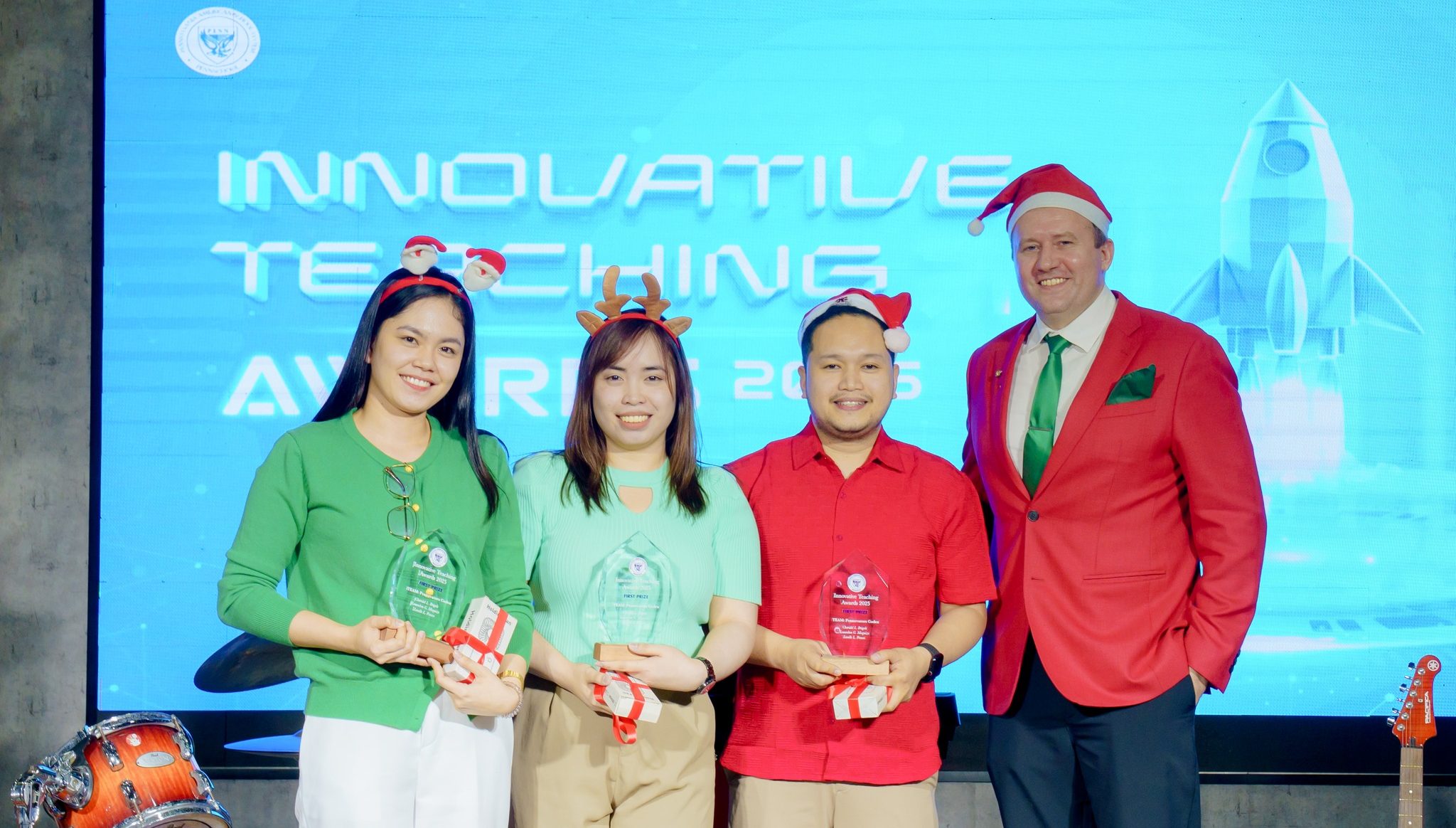
From a spark of inspiration during classroom teaching to a creative interdisciplinary project applying the Project-Based Learning approach, let the Pennovators Codex team – Ms. Charidel L. Brigole, Mr. Louweben G. Maquizo, and Ms. Lovelle Frasco – share the fascinating behind-the-scenes stories of the most impressive project at the “Innovative Teaching Awards 2025” at PennSchool.
– With its bold integration of Programming Technology and Chemistry, “ChemC++: Innovating Chemistry through Code” has been recognized as an impressive interdisciplinary project. Could you share the initial idea that led to the development of this project?
During the teaching process, we realized that the lesson was particularly well-suited to a Project-Based Learning (PBL) approach, allowing chemistry concepts to become more meaningful and relevant. This realization inspired us to carry out the project. This came from my desire to help students connect what they learn in class to real-world situations and to understand the importance of these concepts beyond academic requirements.
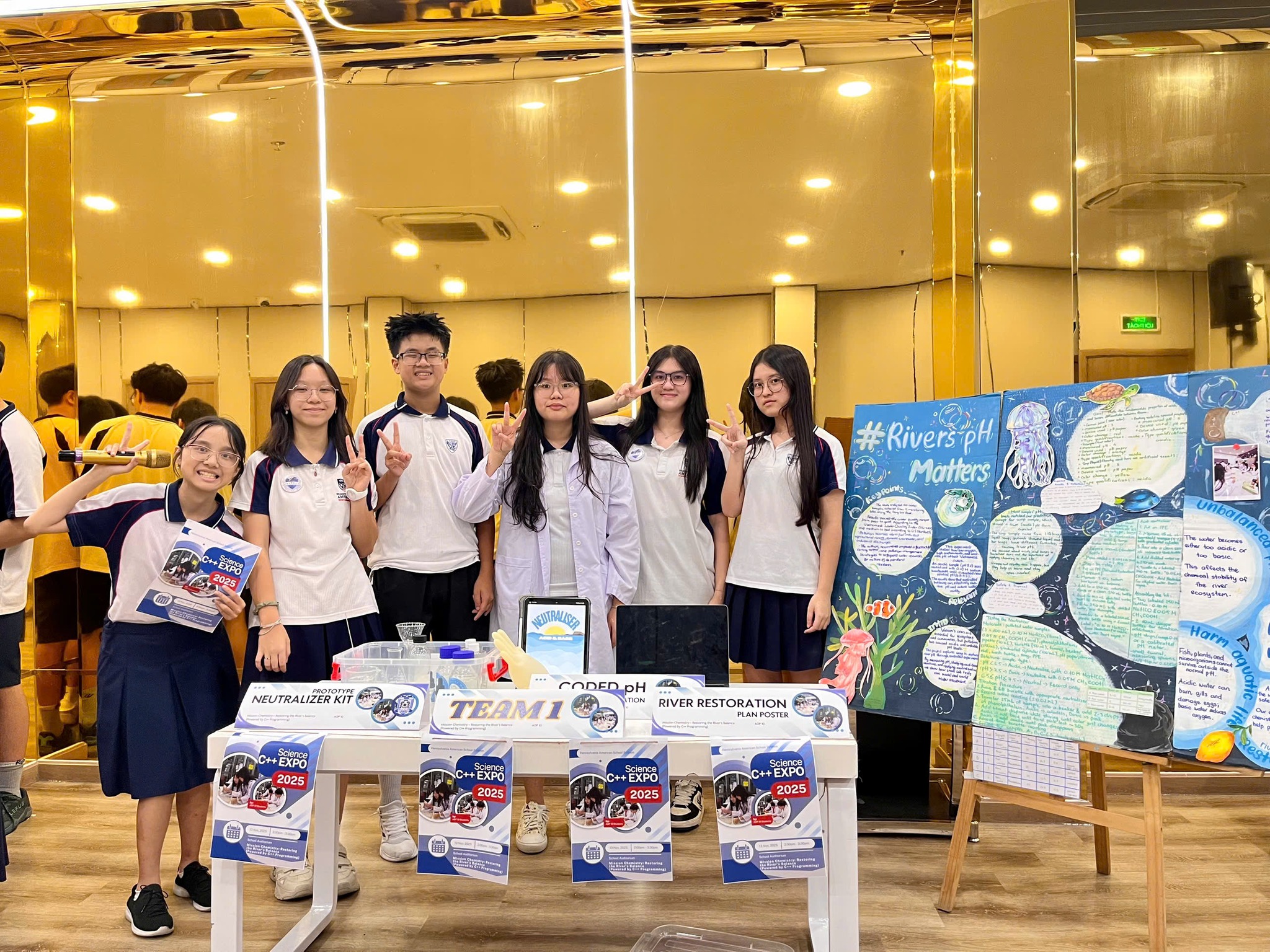
We wanted students to see how chemistry, especially neutralization, can be applied to real environmental issues and to recognize what they can do as students to apply their learning responsibly. Through this project, students were encouraged to think critically, apply their knowledge, and see themselves as active problem-solvers rather than passive learners.
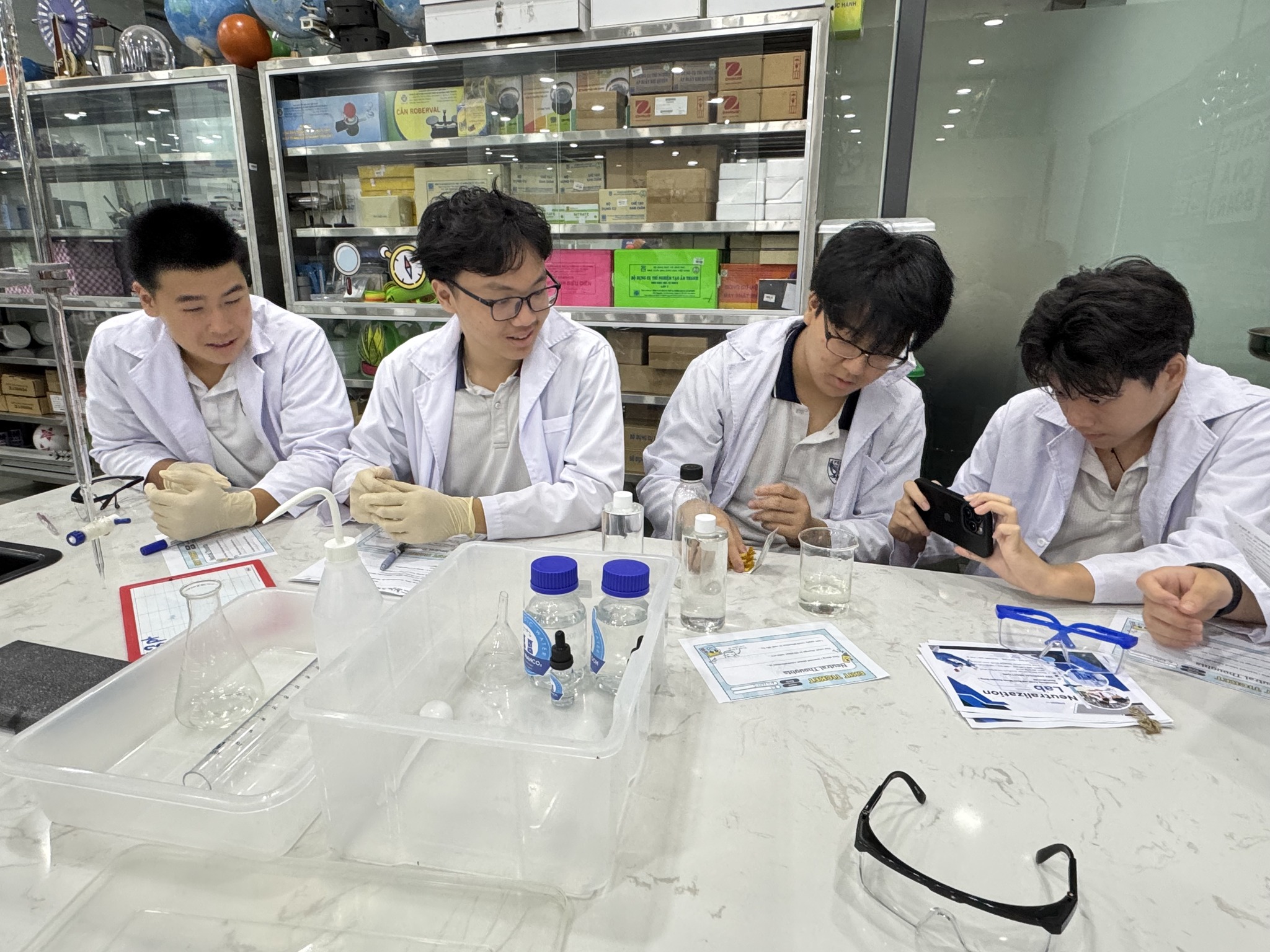
– Teamwork requires close collaboration. How did you assign roles and responsibilities to effectively leverage each team member’s strengths?
Because this was an interdisciplinary PBL, we assigned roles based on each member’s strengths. Ms. Charidel led the overall concept and chemistry design and planned the C++ programming activities by identifying which chemistry concepts, such as pH calculation and neutralization effects, needed to be programmed.
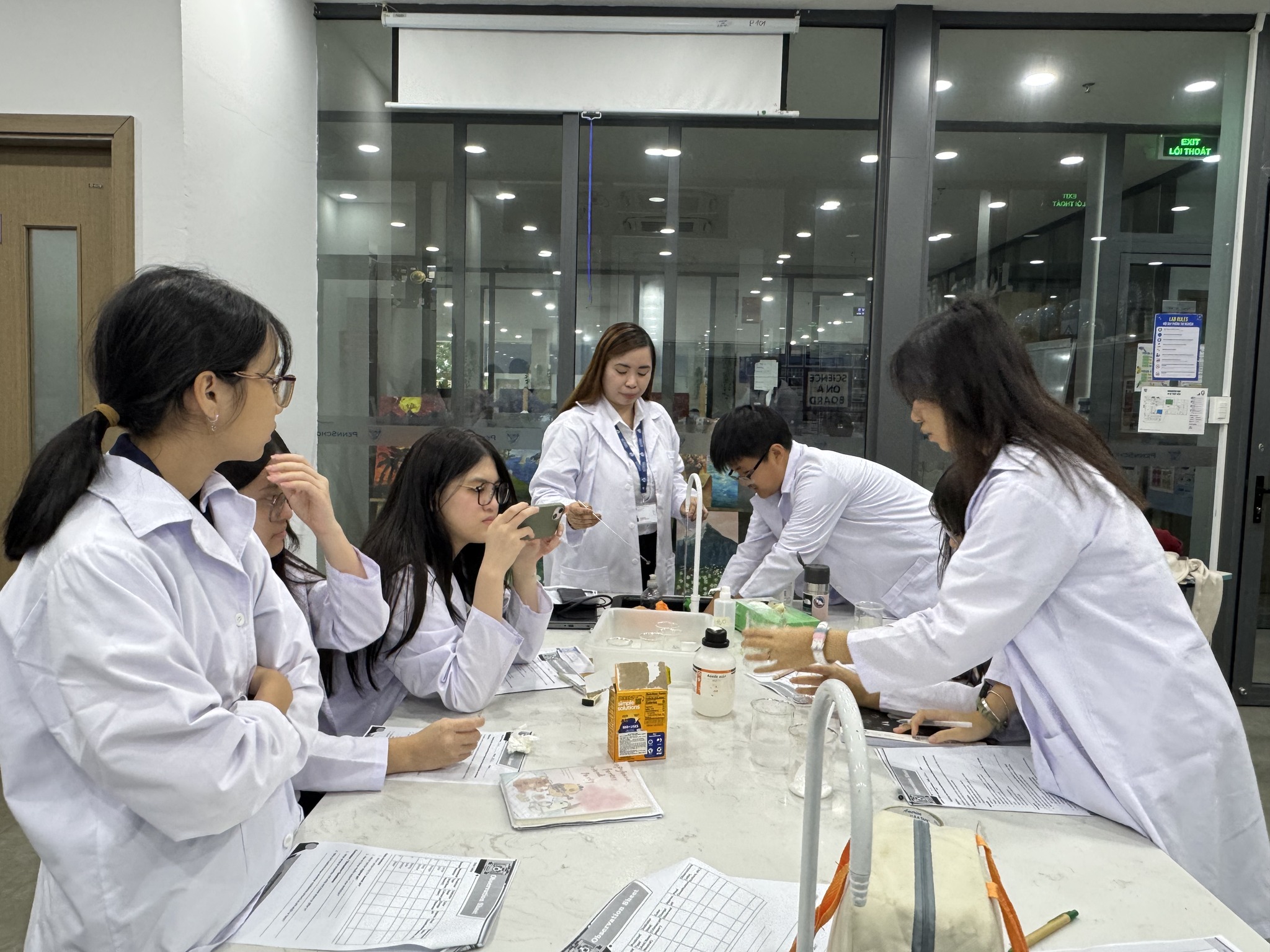
Ms. Charidel (Science Teacher) coordinated closely with Mr. Louweben (ICT Teacher) to ensure these concepts were accurately translated into code, while Mr. Louweben supported students in writing and debugging the programs. Ms. Lovelle (Math Teacher) focused on the mathematical aspect, particularly logarithmic calculations for pH.
We maintained constant communication, used a shared project plan, and held weekly check-ins to review progress and address challenges, which allowed us to effectively integrate Chemistry, Math, and Coding into one cohesive learning experience.
– Could you share some practical lessons or insights you personally gained from the process of implementing this project?
One key lesson we gained from implementing this project is that meaningful Project-Based Learning requires a careful balance between strong structure and student autonomy, especially when working with acid–base chemicals. The process was challenging because it required students to demonstrate creativity, critical thinking, and responsibility, while also following clear guidelines, checkpoints, and safety expectations.
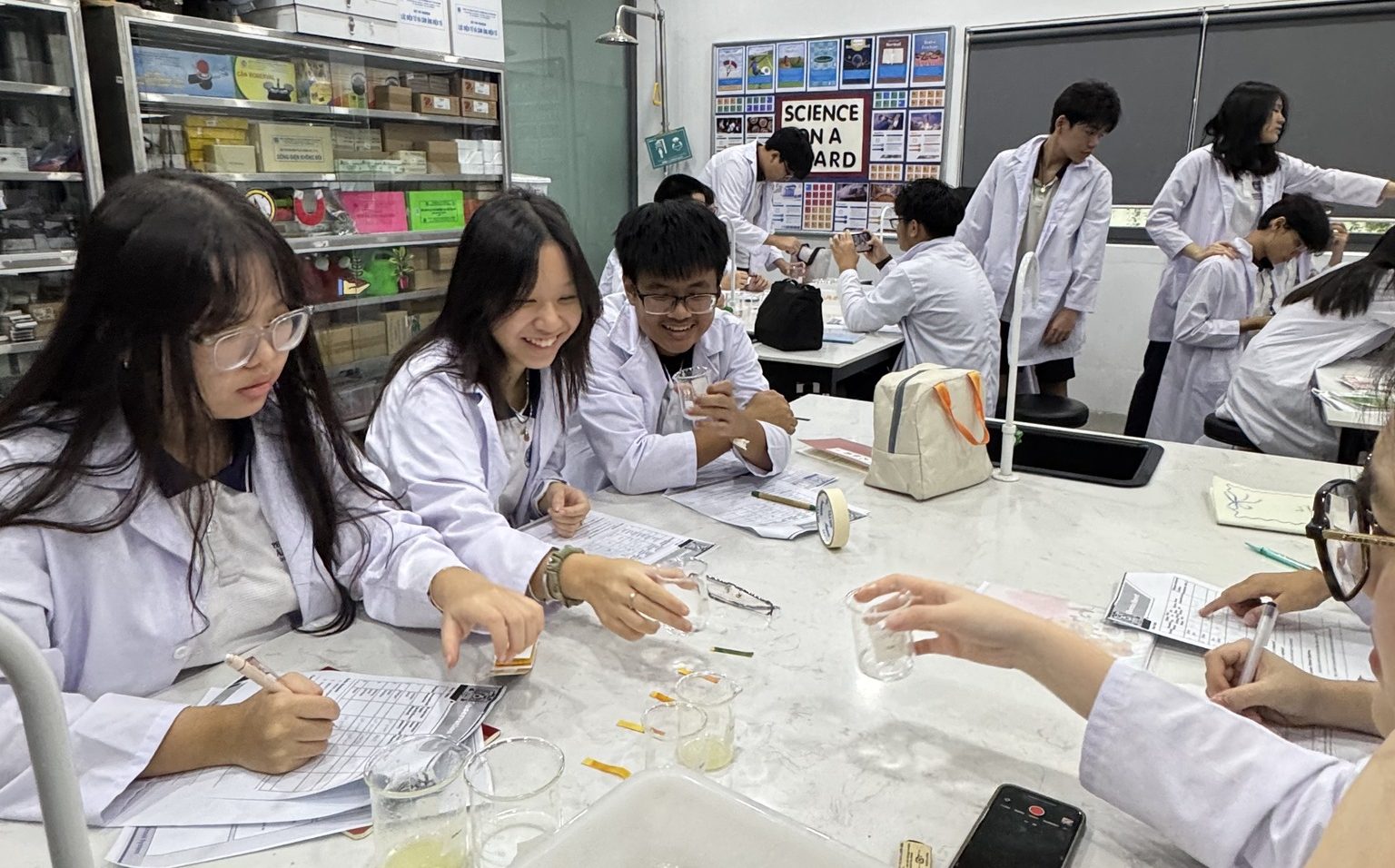
Through this experience, we observed that when students are trusted with real-world tasks and given proper safety training, they are able to respond responsibly, even managing minor incidents such as acid spills through correct neutralization.
Overall, the project reinforced my belief that although PBL is demanding to implement, it leads to deeper learning, stronger student ownership, and more responsible application of scientific knowledge, and seeing computer science in action.
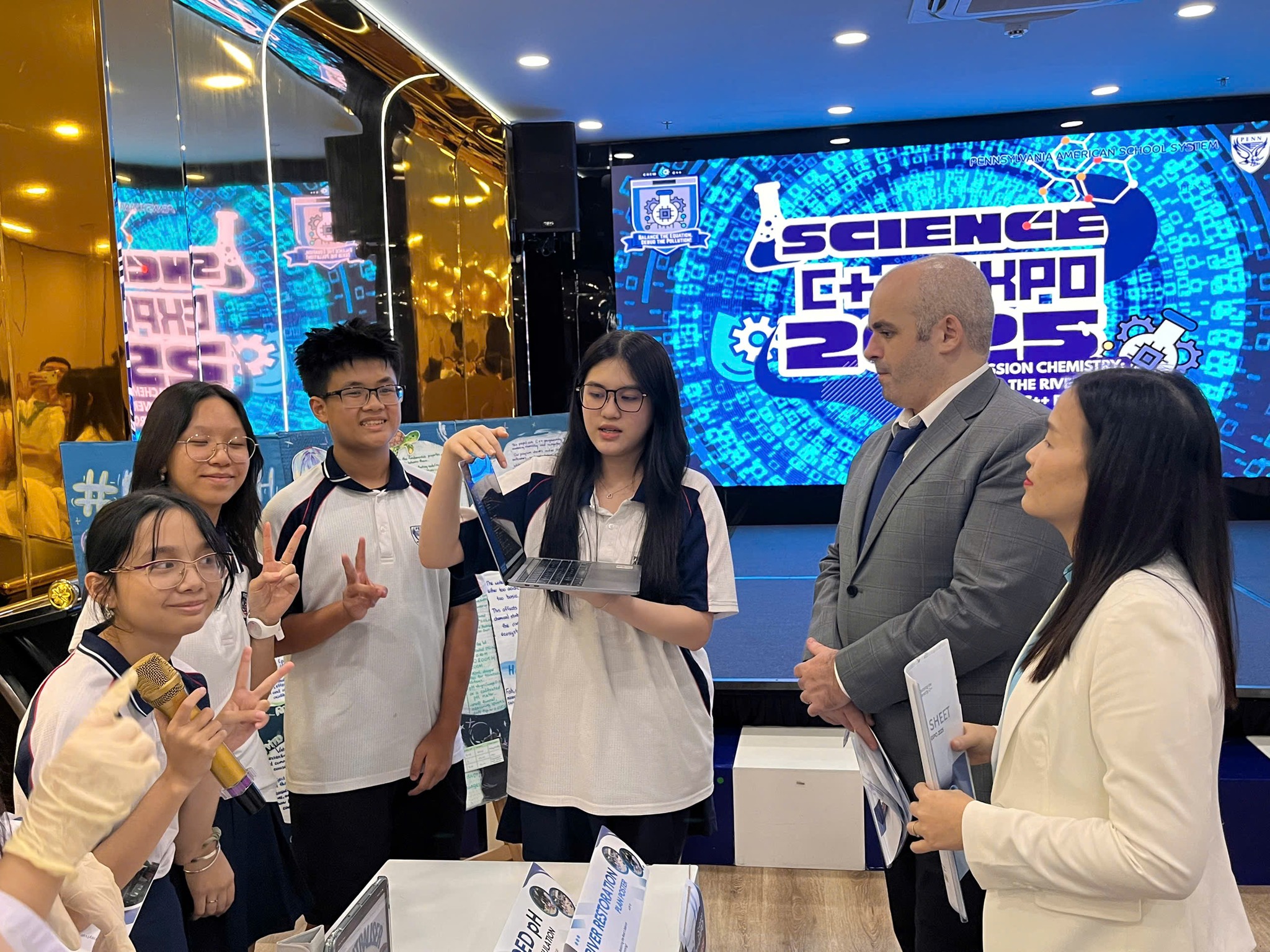
RT Holdings sincerely appreciates the dedicated and heartfelt sharing from the Pennovators Codex team and extends its warmest congratulations to the teachers on their outstanding achievement at the “Innovative Teaching Awards 2025”. We hope that this accomplishment will continue to inspire creativity and support the teachers on their steadfast journey of building and advancing your educational careers.